Support for Housebuilding LPG adopted
The Support for housebuilding LPG was published and adopted this month. We wrote about the likely contents and impacts of these measures when the consultation was announced in October.
The LPG provides clearer guidance on the measures sought to unlock more housing, and affordable housing, across the capital.
The guidance within the LPG is time limited, applying to development over the next 2-4 years.
The LPG largely concerns three areas of residential development:
Cycle parking standards
Housing design standards
Affordable housing
The newly adopted LPG replaces the existing guidance on the above from the London Plan (2021) and the Housing Design Standards LPG (2023).
The guidance on cycle parking will be in place until 31 March 2028. The LPG provides revised cycle parking standards for new dwellings based on borough.
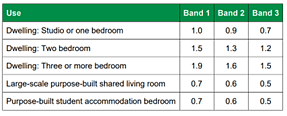
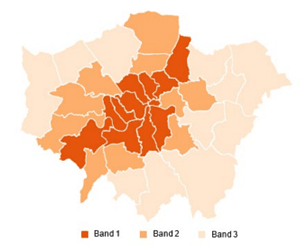
The LPG expands the suitable cycle parking to include space for folding bikes, public cycle infrastructure, and the provision of communal scooters and cyclers for hire. The revision in minimum standards aims to improve viability of residential schemes by reducing the floorspace, particularly costly basement levels, required for cycle parking.
The LPG applies further flexibility to the existing guidance on dual aspect dwellings and the number of dwellings per core. Previously the guidance was for all dwellings to be dual aspect unless in exceptional circumstances. This has been slightly relaxed in the newly adopted LPG and decision makers should apply flexibility in determining dual and single aspect dwellings, providing homes will be afforded good levels of ventilation, daylight, privacy and avoid overheating.
The LPG removes the standard requiring the number of homes to now exceed 8 dwellings accessed from each core. The development would still need to meet the requirements of building regulations.
The principal changes brought forward in the LPG are for affordable housing, reducing Borough CIL charges and fast-tracking applications for eligible sites.
A time limited threshold approach will enable residential development which can provide 20% affordable housing (of which 60% is social rent) on private land to proceed without a viability assessment. The developments which are eligible for this route could also apply for funding from the GLA for a portion of the affordable housing on site. Grants may also be sought for existing allowed schemes which are stalled to maximise the provision of affordable housing delivered.
Sites which are eligible for the above route and commit to at least 20% affordable housing could pay a reduced 50% Borough CIL for sites which have issued a commencement notice before 31st March 2030.
Whilst the changes to design and cycle storage guidelines may reduce some costs and increase the residential floorspace on a site, the affordable housing guidance will have the greatest impact on development viability and speed. However, will lowering the affordable housing minimum from 35% to 20% (in some cases local policies ask for 50%) deliver the urgent housing stock or free the existing homes needed to alleviate the affordability crisis in the capital?
WEA Planning are supporting developers across the capital to understand and apply the new guidance to their projects.
Contact us today for assistance with your development.